On This Page
Quick answer: Generally, yes. PM Surya Ghar subsidy is assessed per domestic electricity connection, so a building with two separately metered dwellings (for example, ground floor and first floor, each with its own TANGEDCO service connection) can install two separate rooftop systems on the shared terrace. Each connection applies for its own subsidy, up to ₹78,000 central plus ₹22,000 state under G.O. 102. Each system needs its own inverter, own wiring and own net meter, and each applicant needs the roof owner's consent. The state top-up is also counted against the first 1,00,000 applicants, so both should apply early.
When It Works and When It Doesn't
| Situation | Two subsidies? |
|---|---|
| Two floors, two separate domestic service connections, each a separate dwelling | Generally yes, one per connection |
| Parents on ground floor, son's family on first floor, two connections in different names | Generally yes |
| Owner on ground floor, tenant on first floor, two connections | Yes, but the tenant needs the owner's written consent for the roof |
| One house, one connection, family wants two systems | No, one connection gets one subsidy (max at 3 kW) |
| One house, owner gets a second connection just to double the subsidy | No, TANGEDCO issues separate connections only for separate dwelling units, and DISCOM verification would flag this |
| Apartment block with many flats plus a common-area connection | Flats individually where roof space allows; the common connection can use the RWA/GHS route. See solar for apartments |
Interpretation varies between DISCOMs, and the PM Surya Ghar portal runs a feasibility check on each connection. Treat "generally yes" as "yes, if each connection is a genuine separate household". Confirm on the portal before paying for anything.
How the Subsidy Adds Up
Two 3 kW systems, one per connection:
| Ground floor (SC no. A) | First floor (SC no. B) | Building total | |
|---|---|---|---|
| Installed cost (on-grid, DCR) | ₹1,80,000 | ₹1,80,000 | ₹3,60,000 |
| PM Surya Ghar | – ₹78,000 | – ₹78,000 | – ₹1,56,000 |
| G.O. 102 top-up | – ₹22,000 | – ₹22,000 | – ₹44,000 |
| Net cost | ₹80,000 | ₹80,000 | ₹1,60,000 |
Compare one 6 kW system on a single connection: about ₹3,50,000 installed, but only ₹1,00,000 subsidy, so ₹2,50,000 net. If both floors genuinely have separate connections, two systems save about ₹90,000. They also help each household's bill more, because each floor's net consumption drops on its own telescopic slabs.
Splitting the Roof
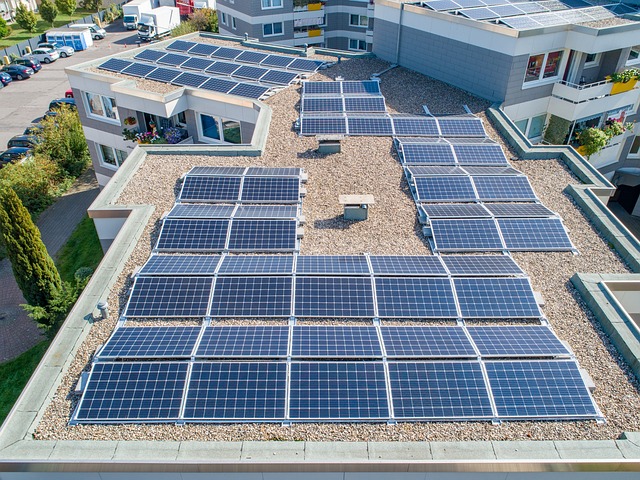
A 3 kW system needs roughly 300 sq ft of shadow-free terrace. Two of them need about 600 sq ft.
- Draw the split on paper first. Mark which panels belong to which connection. The installer's layout drawing should show both arrays, labelled with service connection numbers.
- Not enough space for two 3 kW systems? Split by consumption. Size each system to its own bill (see units per day per kW). A 2 kW + 3 kW split still gets ₹70,000 + ₹1,00,000 in subsidy.
- Shading. If one floor's array sits behind a staircase head-room or tank, give that household more panels or consider an elevated structure.
Wiring Two Systems Correctly
This is where DISCOM inspections fail:
- Separate inverters. One per connection. Don't share an inverter between two service connections.
- Separate AC cable runs from each inverter to its own meter board. Label both ends.
- Separate net meters. TANGEDCO installs a bi-directional meter on each service connection.
- Separate ACDB and DCDB, or clearly partitioned and labelled boxes.
- Earthing can share pits only if designed for it. Ask your installer to state this in the design. See earthing and lightning protection.
Mixing these up, for example the first-floor inverter feeding the ground-floor meter, causes wrong billing and a failed inspection. It can also void the subsidy for both.
Paperwork Checklist
For each connection:
- PM Surya Ghar registration with that connection's consumer number. Registration on or after 5 August 2026 is required for the G.O. 102 top-up.
- Latest EB bill in the applicant's name. If the name is outdated, do an EB name transfer first.
- Bank account in the applicant's name for subsidy credit.
- Roof consent: if the applicant doesn't own the terrace, a signed consent letter from the owner or co-owners.
Apply for both connections around the same time so one installer can schedule a single installation and both inspections together.
Common Rejection Reasons
- Connection is not domestic (commercial tariff on a shop floor, for example).
- Applicant name on the EB bill doesn't match the bank account.
- Both systems wired to one meter, or one inverter feeding two connections.
- Distribution transformer capacity full. TANGEDCO caps rooftop solar at a share of local transformer capacity. See net metering delays.
- Non-DCR panels on either system. See DCR panels and subsidy.
More in solar subsidy rejection reasons and fixes.
FAQ
Can two EB connections in the same house get solar subsidy?
If they are separate domestic service connections serving separate dwellings, such as two floors with separate households, each connection can generally apply for its own PM Surya Ghar subsidy and G.O. 102 top-up. A single household can't create a second connection just to claim a second subsidy.
Can two solar systems be installed on one terrace?
Yes. Each system needs its own panels, inverter, wiring and net meter, connected to its own service connection. The installer's layout drawing should show which panels belong to which connection.
How much subsidy can a two-floor house get in Tamil Nadu?
With two eligible domestic connections and a 3 kW system on each, up to ₹2,00,000 in total: ₹78,000 central plus ₹22,000 state per connection. Each state top-up is subject to the first 1,00,000 applicants cap.
Does a tenant need the owner's permission to install solar on the roof?
Yes. A tenant with their own service connection needs written consent from the building owner for roof use, and the owner must agree to the structure and any terrace anchoring. Discuss who keeps the system if the tenancy ends.
Can my ground-floor and first-floor connections share one inverter?
No. Each service connection needs its own inverter and net meter for correct billing and subsidy eligibility. Sharing an inverter across two connections fails inspection.
Sources & Updates
- PM Surya Ghar national portal: registration, eligibility and DISCOM feasibility are processed per consumer (service connection) number.
- G.O. (Ms) No. 102, Energy Department, Government of Tamil Nadu, dated 19 September 2026: the state top-up of ₹5,000 / ₹10,000 / ₹22,000, disbursed by TEDA. Summary and eligibility in our G.O. 102 guide: the state top-up, including the first-1,00,000-applicants cap.
- Heaven Green Energy: PM Surya Ghar glossary: an installer's guide stating that homes with multiple meters can claim per connection, while single-meter homes get one subsidy.
- Limit of these sources: we couldn't find an official MNRE statement that specifically addresses several connections in one building. The "per connection" reading comes from how the portal processes applications and from industry guides, and the DISCOM decides each case at feasibility. Confirm with your TANGEDCO/TNPDCL section office before installing.
- Tristar calculations: the cost and subsidy comparison uses our current installed prices, as in our solar calculator.
Last verified: 5 November 2026.
Ready to Go Solar?
Get a personalized solar quote based on your electricity consumption and roof area.
Related Articles
Tamil Nadu State Solar Subsidy G.O. 102: ₹22,000 Extra, ₹1 Lakh Total
Tamil Nadu has notified the state rooftop solar top-up through G.O. (Ms) No. 102 dated 19 September 2026 — ₹5,000 for 1 kW, ₹10,000 for 2 kW and ₹22,000 for 3 kW and above, on top of PM Surya Ghar. Slabs, eligibility, the 1,00,000-applicant cap and how the money reaches your bank account.
New Tamil Nadu Rooftop Solar Subsidy 2026: Up to ₹1 Lakh Explained
The August 5, 2026 Tamil Nadu Budget announced a new state rooftop solar subsidy on top of PM Surya Ghar. G.O. 102 of 19 September 2026 has now notified the detail: ₹5,000 / ₹10,000 / ₹22,000 by slab, ₹1,00,000 combined at 3 kW and above.
Tamil Nadu Solar Tariff & Subsidy Tracker 2026 (Updated)
One reference page for every number that matters: current TNERC electricity tariff orders, PM Surya Ghar subsidy slabs, the Tamil Nadu G.O. 102 state top-up taking the total to ₹1,00,000, GST rate, and net metering caps — sourced, dated, and kept current.